Both flagships showed weaknesses in drop tests: the iPhone resisted some screen scratches, while the Galaxy held up better at the corners.
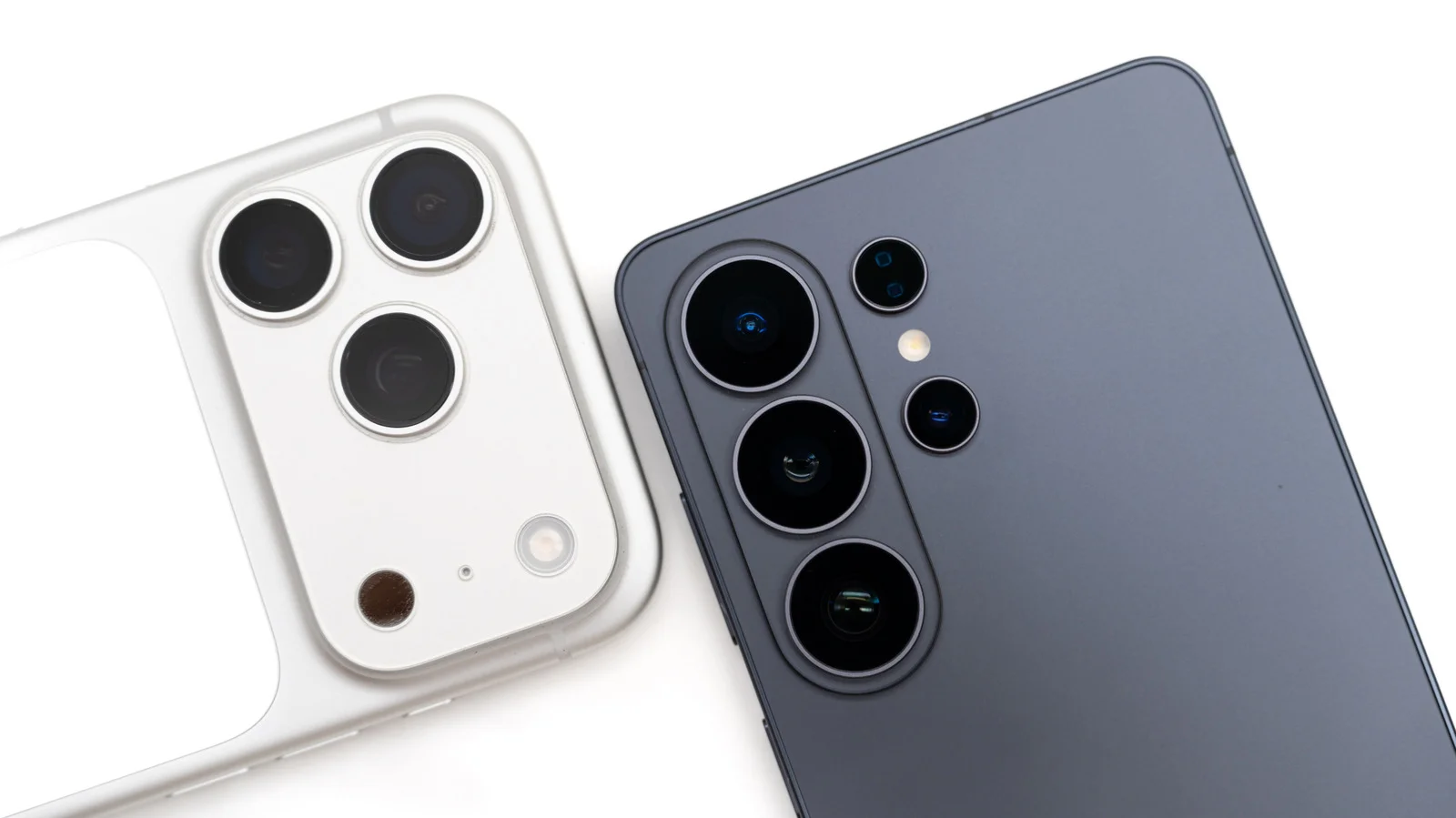
Drop tests put the Galaxy S26 Ultra and iPhone 18 Pro Max on uneven footing: the iPhone handled some screen impacts better, while the Galaxy’s frame proved sturdier in corner drops. Neither phone emerged intact, a reminder that premium materials don’t guarantee survival on concrete. The results are less a verdict on which phone is “tougher” than a map of how each one failed under particular conditions. A phone’s front glass, back panel, camera area, and frame can respond differently to the same kind of fall.
That distinction matters because a drop test captures a specific impact, not every accident a phone might face. Height, landing angle, and surface all affect where the force goes. A small change in orientation can turn a screen-first landing into a corner impact, with a different part of the phone taking the strain. These tests offer useful comparisons, but they can’t promise how either device will fare in your next fall.
Scratch resistance favors the iPhone
Scratch resistance is one area where the iPhone had an edge. In hands-on use, its Ceramic Shield 2 display showed fewer visible micro-scratches than the S26 Ultra’s Gorilla Armor 2. That’s a practical difference for people who carry a phone with other objects, though the results don’t establish how either screen will hold up under every kind of contact.
JerryRigEverything’s test of the smaller iPhone 18 Pro also found that its display scratched at level 7, compared with level 6 for the Galaxy. That comparison needs some care: the test was of the iPhone 18 Pro, not the 18 Pro Max in the drop tests. It’s evidence about the display material used in the smaller model, but it shouldn’t be presented as a direct scratch test of the Max.
Scratch resistance and impact resistance are separate questions. A screen that resists visible marks can still crack when it strikes a hard surface, while a phone that survives one drop may show scratches from ordinary contact. The tests point to an iPhone advantage in the scratch results described here, not a guarantee of better survival in every accident.
Different weaknesses in controlled drops
PhoneBuff’s test dropped both phones from 1 meter onto a sidewalk-like surface. Their back panels cracked, with more severe damage to the Galaxy. The S26 Ultra has a glass back, while the iPhone 18 Pro Max combines glass with aluminum. That difference in materials gives readers useful context, but the test doesn’t isolate the contribution of each material from the phone’s overall shape and landing position.
The damage also shows why a cracked back isn’t a minor footnote in a durability comparison. It means neither phone stayed intact after a drop from the same height, even though the extent of damage differed. For someone deciding between the two, the result is a reminder that a phone can sustain serious damage without landing directly on its display.
The face-down test at the same height split the results: the Galaxy’s screen cracked, disabling its fingerprint scanner, while the iPhone remained undamaged. At 1.5 meters, though, the iPhone’s display cracked. Face ID still worked. In corner drops, the Galaxy’s aluminum frame kept its shape better; the iPhone’s frame deformed more.
That set of outcomes resists a simple winner label. The Galaxy’s screen failed in one face-down impact, while the iPhone’s stayed intact in that particular test and then cracked from a greater height. The Galaxy’s frame handled corner impacts better, and the iPhone’s frame showed more deformation. Different parts of the phone took the damage in different trials. That’s the point.
Real-world results depend on the landing
Tests outside a controlled setup underline how much the surface and angle matter. AppleTrack dropped an iPhone 18 Pro beside a road. A waist-height fall left the screen intact but scuffed the frame; a shoulder-height drop cracked the display and caused major dents. Those results reinforce that a phone can look fine after one fall and fare much worse after another, even when the phone model is the same.
PBKReviews tested the S26 Ultra on concrete. It survived a shoulder-height, face-down drop without visible screen damage, but a back-first fall cracked one camera module and damaged the frame. The camera damage is a useful reminder that the screen isn’t the only vulnerable part of a phone. A landing that spares the display can still leave damage elsewhere.
These tests weren’t identical in every detail, so their outcomes shouldn’t be treated as a head-to-head score. The iPhone 18 Pro and 18 Pro Max also appear in different parts of the testing described here. Taken together, the results show possible failure points rather than a controlled ranking across every type of impact.
What the results mean for buyers
These results don’t point to a clear durability winner. The iPhone showed stronger screen scratch resistance and survived one controlled face drop, while the Galaxy did better in corner impacts and one real-world screen-first fall. This is more significant than it looks: a phone’s durability isn’t a single trait, and a buyer who cares most about screen marks may weigh the evidence differently from someone worried about frame damage or a camera landing.
If you’re working in this space, the useful question isn’t just which device “wins,” but which kind of failure you’re most concerned about. A case can reduce the chance that an accidental drop turns into a screen or camera repair, though these tests don’t measure how much protection any particular case would provide. Buyers who prefer a slimmer phone can also consider AppleCare+ or Samsung Care+, whose accidental-damage coverage varies by plan and region.
Here’s the thing: these results don’t make either phone look immune to concrete. They show that even expensive devices with different materials can crack, dent, or lose a component when they land badly. And this is the part most people overlook: the phone may survive one dramatic-looking fall and fail on a less severe one because the angle and contact point changed.
That said, no test here can predict the outcome of an individual accident. The iPhone’s display staying intact in one face-down drop doesn’t cancel out its cracked display at 1.5 meters, and the Galaxy’s survival in one real-world screen-first fall doesn’t erase the cracked screen in PhoneBuff’s test. Buyers should read the findings as a set of trade-offs. Concrete is unforgiving.
Discussion
Sign in to join the discussion.