The iPhone Duo and Galaxy Z Fold 8 share a book-style design, but differ in weight, durability, software, and features. Compare their specs before choosing.
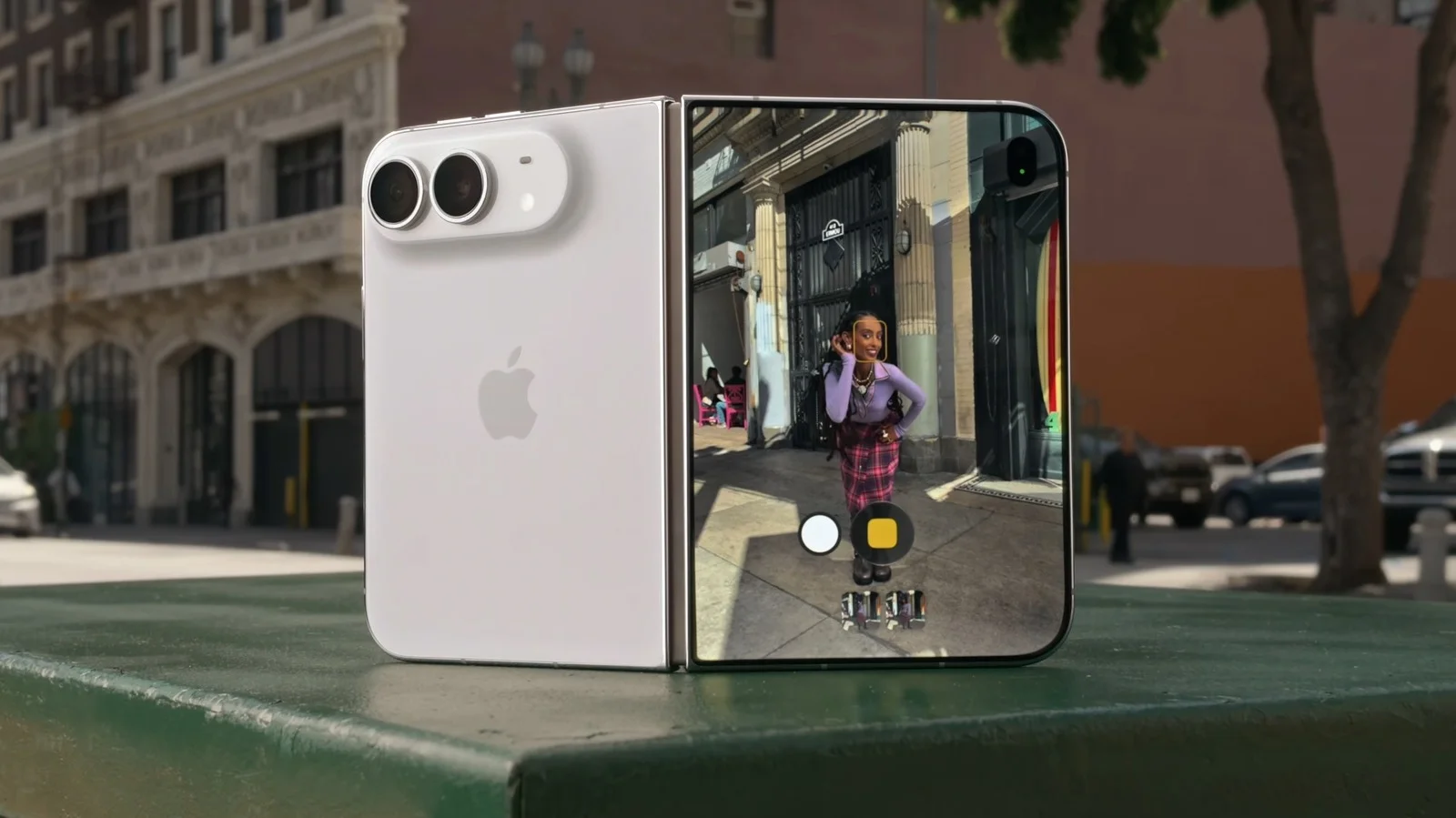
iPhone Duo vs. Samsung Galaxy Z Fold 8: What the Specs Tell Us
Apple’s first foldable arrives seven years after Samsung helped bring folding phones to the mass market. That timing gives the Galaxy Z Fold 8 a long head start in experience, but it hasn’t stopped the iPhone Duo from attracting attention. The interesting question is whether Apple’s late entry brings something meaningfully different to a category Samsung has spent years refining.
At a glance, the phones share plenty: a passport-style shape, two rear cameras, and prices firmly in premium territory. The differences show up in the details, from their software and multitasking tools to Apple’s under-display selfie camera. The Z Fold 8 is already on sale; the iPhone Duo goes on sale October 23. We’ve compared their specifications and expert assessments to help make sense of the trade-offs.
Design: familiar territory, with a few practical differences
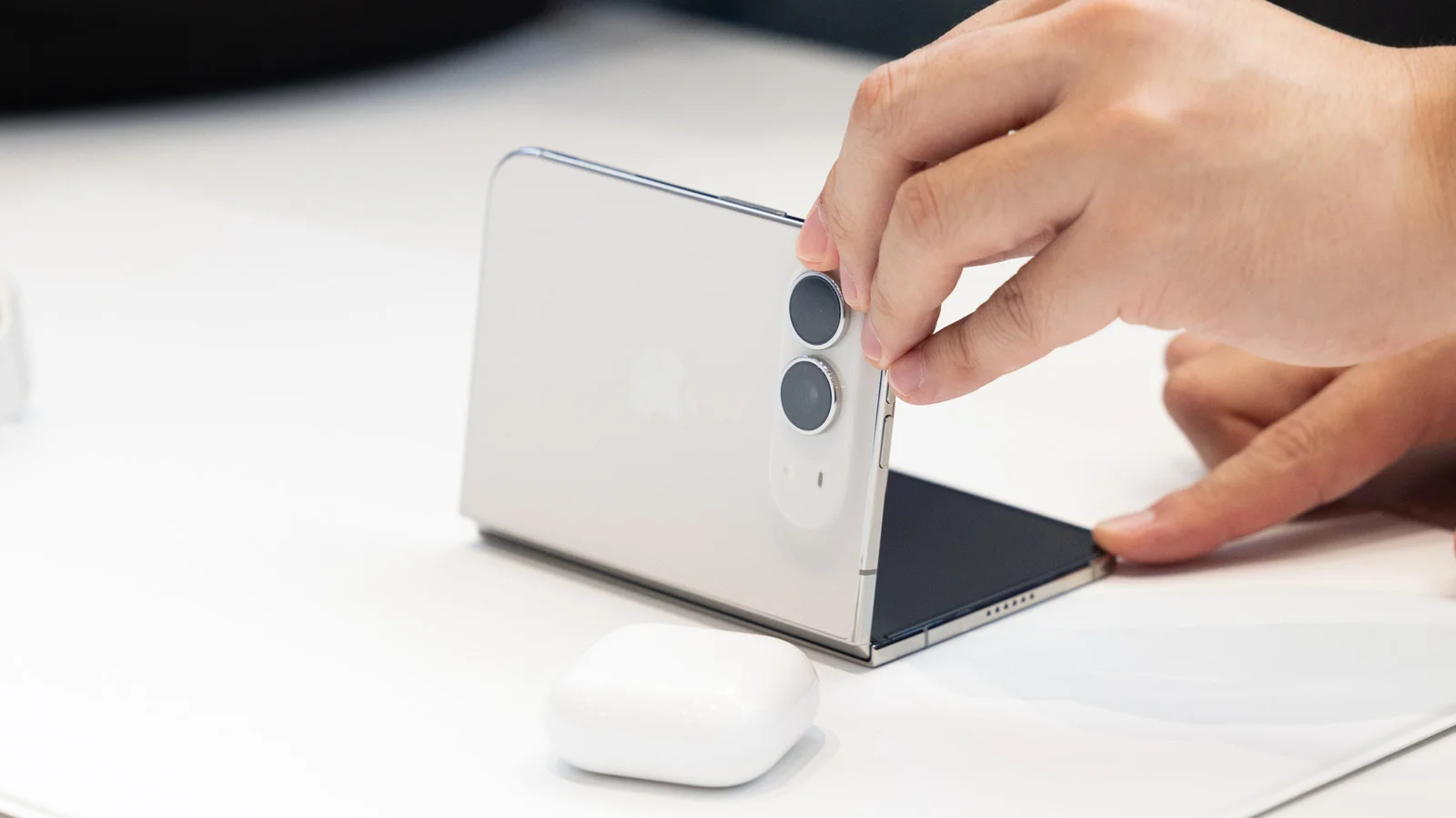
Foldables have generally taken one of two approaches: flip shut into a compact phone, or open like a book into a larger screen suited to work. Book-style models can feel cramped for widescreen video, where the taller display often leaves black bars above and below the picture. Google tested a more passport-like shape with its original Pixel Fold, and both the Duo and Z Fold 8 carry that idea forward.
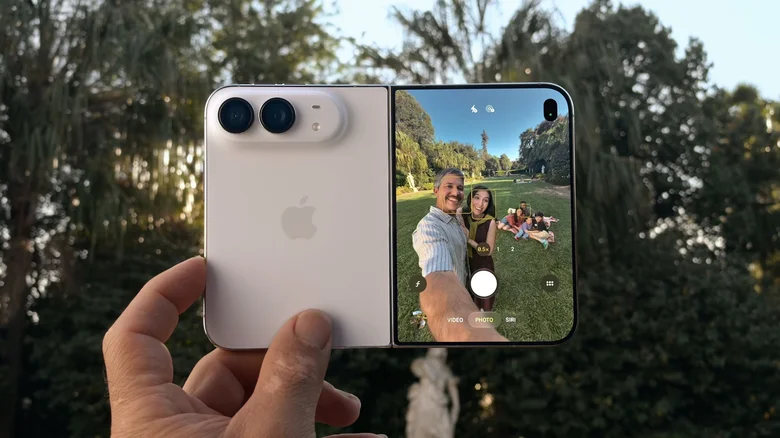
The outlines aren’t identical. Samsung uses symmetrical corners, while Apple mixes rounded edges with sharper, right-angle bends. Their button layouts are similar, and on both phones the power button also serves as a fingerprint reader. Neither offers Face ID. The Duo also relies on eSIM, a limitation for people who need a physical SIM card. Both have two rear cameras, though the Z Fold 8’s vertical camera bump can make the phone rock on a table.
Open either device and you get a 7.6-inch display; Samsung’s is thinner. Apple rates the Duo IP68 for water and dust resistance, matching the durable Pixel 11 Pro Fold. The Z Fold 8’s IP48 rating offers less protection. Still, an expensive folding phone is a poor choice for testing the limits of either rating at the beach or in the water.
Build and screens: Apple’s strongest early arguments
The two designs may look closely related, but their materials and weight tell a different story. Apple brings titanium back after returning to aluminum with the iPhone 17 series, a change that drew mixed reactions. That material adds heft: the Duo weighs nine ounces, compared with seven ounces for the aluminum Z Fold 8.
Both phones use protective glass, but the formulations differ. Apple pairs Ceramic Shield 2 on the front with first-generation Ceramic Shield on the back. Samsung uses Gorilla Glass Victus Ceramic 3 on the outer display and Victus 2 on the rear. A JerryRigEverything durability test of the iPhone 18 Pro found scratches at level 7, while the Z Fold 8 scratched at level 6. That points to an advantage for Apple’s front glass, though a scratch test alone can’t tell you how either phone will fare after years of daily use.
The cover screens are close in size: 5.5 inches on Samsung’s phone and 5.4 inches on Apple’s. Both use high-resolution OLED panels with 120Hz refresh rates and peak brightness of 3,000 nits. Their inner folding OLED screens also measure 7.6 inches and run at 120Hz. That’s enough screen for video in landscape and reading or reviewing documents upright.
Apple’s more telling display choices are the ones beyond the headline specs. The Duo adds an antireflective coating to cut glare, and early previews suggest its crease is less visible. It also supports Apple Pencil (USB-C), which could matter if you annotate documents or take handwritten notes. Samsung dropped S Pen support with the Z Fold 7 series. Apple has also placed the inner selfie camera beneath the display, keeping it out of view while the screen is open.
Performance and software: the choice may come down to how you work
The Z Fold 8 runs Qualcomm’s Snapdragon 8 Elite Gen 5; the Duo uses Apple’s A20 Pro. The iPhone 18 Pro has the same Apple chip, but its performance won’t necessarily predict the Duo’s: cooling and internal design can change how a processor behaves. The Z Fold 8 suggests there’s ample power for demanding games at high settings, and gaming shouldn’t trouble either device.
Software is where the comparison gets less tidy. Apple has adapted iOS for the Duo with a sideways dock, compact widgets, and a transition that carries content from the cover screen to the inner display. You can place two apps side by side, and Apple’s developer ecosystem may give the Duo an advantage in app optimization. A new StandBy mode turns the phone into a glanceable display for the time, photos, or notifications.
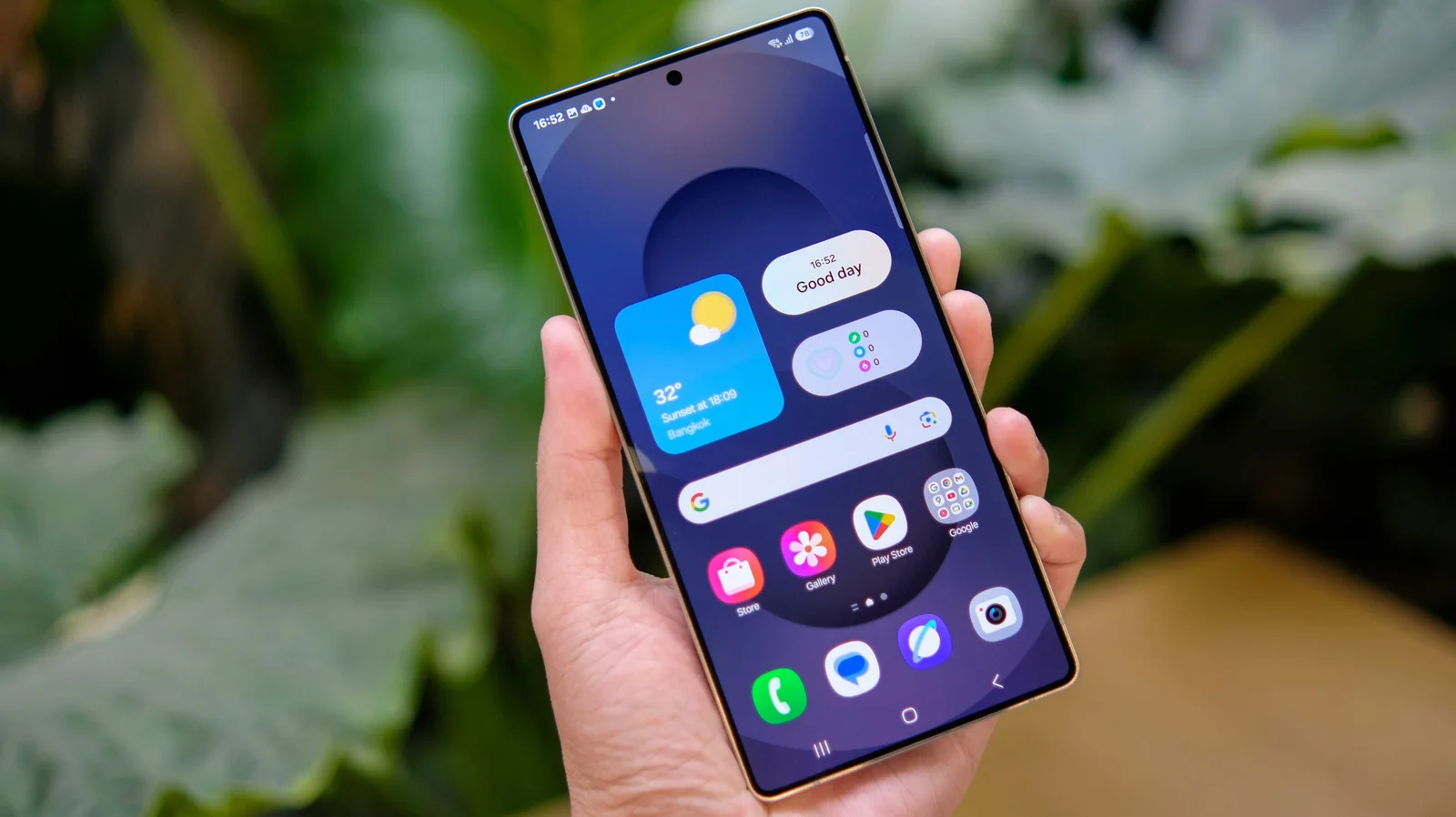
Samsung still gives multitaskers more room to work. One UI can show three apps at once, save groups of apps to launch together, and open windows for quick checks without switching into a full app. Apple’s updated Siri in iOS 27 is a substantial step forward, but Samsung’s feature set also includes Now Brief, Photo Assist, and Fan Cam. If you value a focused two-app layout, Apple’s approach may fit; if you want more simultaneous tools, Samsung has the broader kit.
Cameras
Discussion
Sign in to join the discussion.