A Polymarket ad tucked inside a fortune cookie went viral, renewing concerns about betting promotions reaching children and people with gambling problems.
An ad where diners least expect it
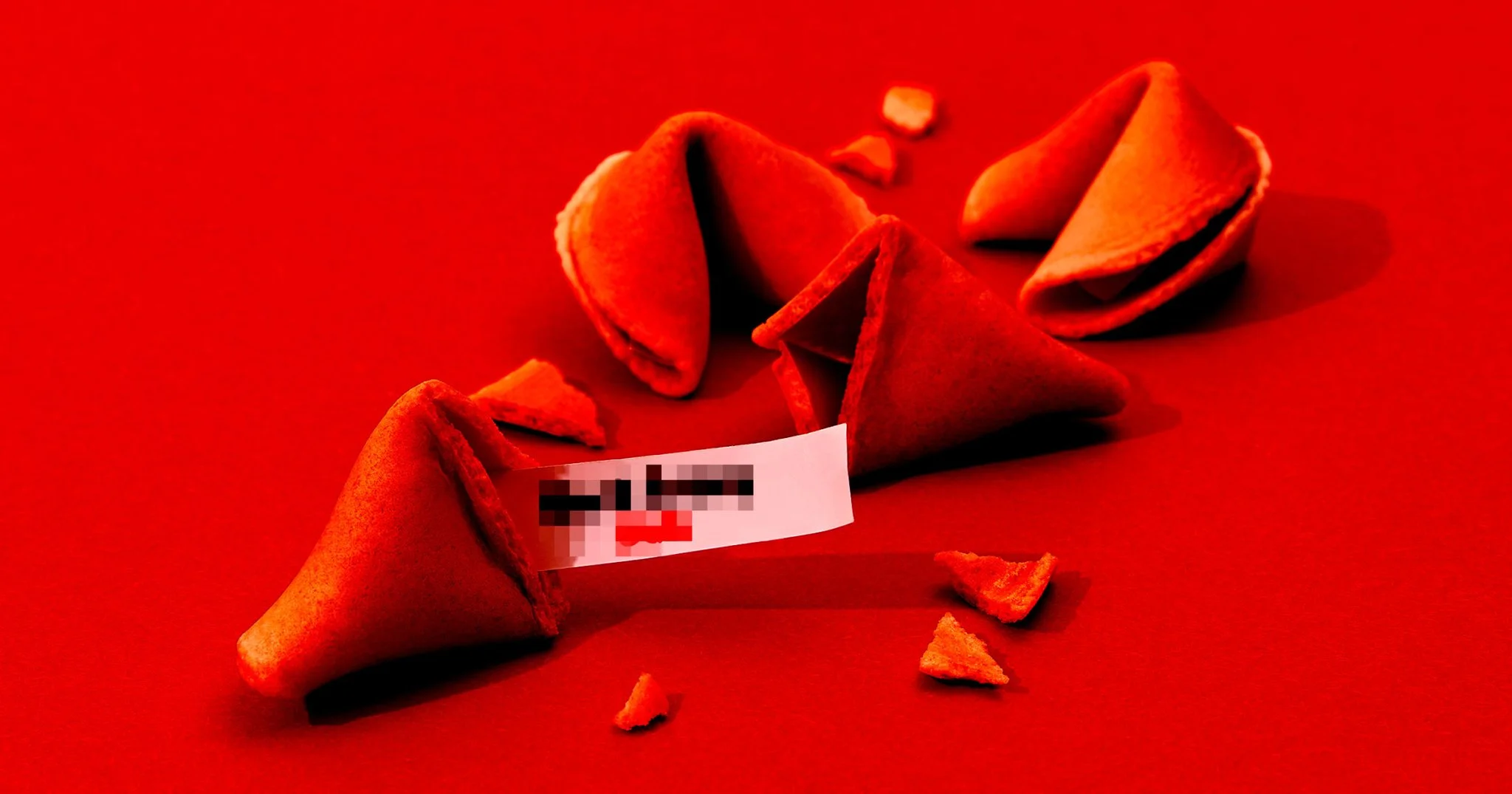
A Polymarket promotion hidden inside a fortune cookie captures how betting ads are spreading into places people don’t expect. The stunt drew millions of views after Open Measures senior researcher and podcast host Jared Holt shared a photo of the cookie on social media. A fortune cookie is a small, ordinary part of a meal, usually opened as a bit of fun. That familiarity is what gives the placement its jolt: the customer didn’t seek out a betting ad or choose to watch one.
The slip inside read, “Yes, we paid for a fortune cookie ad,” followed by a QR code. Holt’s response: “For f***’s sake.” The image also circulated widely on X, where users reacted with anger and jokes. Entertainment writer Ethan Dayton said he’d “quite literally never order from this place again”; another commenter called it rock bottom, while one coined “misfortune cookie.” The jokes helped the image travel, but they also pointed to the irritation underneath: a moment that feels personal and incidental had been turned into a paid pitch.
The reaction echoes the backlash to restaurants using AI-generated menu content: people object when an ordinary interaction becomes an unexpected pitch. Here, the placement raises a sharper concern. Fortune cookies can reach children, as well as people trying to avoid gambling, while the ad directs anyone who scans the code toward a betting platform. A QR code also makes the promotion easy to act on immediately, without the separation that comes with seeing an ad and later searching for the product. The message is brief; the invitation is direct.
A familiar advertising channel
The cookie campaign’s sponsor and execution remain unclear. Polymarket may have arranged it directly or used an outside firm; Futurism said it had asked the company for clarification. That uncertainty matters because it leaves open who chose the placement and who was responsible for considering its audience. The format itself isn’t new. As GamblingHarm reports, New York agency OpenFortune sells cookies in bulk to clients that include BetMGM Sportsbook and other gambling apps. Polymarket doesn’t appear on the agency’s current client list. The available information, then, shows that fortune-cookie advertising has been used by gambling brands, but doesn’t establish who arranged this particular promotion.
The cookie is one small example of a much broader advertising push. Gambling promotions are already prominent on public transit, billboards, websites and television, seeking customers even as many households struggle financially. Researchers and addiction experts have warned about rising gambling harms, while a substantial share of Americans say they’ve used a sports betting app or wagered on an event through prediction markets such as Polymarket and Kalshi. Taken together, those settings mean people can encounter betting promotions during commutes, while browsing, or while watching the news. The cookie adds another kind of exposure: advertising folded into a routine social setting.
That saturation makes the choice of venue matter. An ad embedded in a cookie doesn’t arrive with the same cues as a sportsbook commercial, and the promotional message may reach people who never chose to engage with betting content. In a conventional ad break, viewers can recognize the pitch and decide whether to keep watching. A printed slip inside a meal has no comparable pause or context. (And this is the part most people overlook.) The placement changes not only where the message appears, but how easily a person can identify it as advertising before encountering the link.
If you’re working in advertising or food service, the episode is a reminder that a clever format can carry reputational costs along with attention. The viral response doesn’t show how many people scanned the code or changed their buying habits, and it can’t establish the campaign’s reach beyond the images that circulated. Still, public reaction suggests that customers may judge a promotion by whether it feels appropriate to the setting, not just by whether it gets noticed. A memorable placement can become memorable for the wrong reason.
Who sets the boundaries?
The wider debate around prediction markets also complicates efforts to limit gambling harm. The largest US nonprofit focused on gambling addiction disclosed a deal to accept donations from Kalshi. A senator who once pushed against prediction markets has since taken a lobbying role with the company. Those developments add to questions about where industry influence ends and independent safeguards begin. They don’t answer how a fortune-cookie ad was approved, but they help explain why even a small promotion can prompt scrutiny of the wider system around betting.
The visibility problem
For Polymarket, the viral cookie has made an obscure marketing tactic visible. That visibility may last longer than the promotion itself: people are now discussing not only the platform, but the idea of placing betting ads in objects associated with an ordinary meal. This is more significant than it looks. Advertising rules inside a company’s own campaign may be clear to its marketers, while the customer sees only an unexpected message and a code to scan. The gap between those perspectives is where trust can erode.
The next challenge for the industry is deciding how far betting promotions should travel into everyday spaces—and who might encounter them there. A campaign that depends on surprise can attract attention, but attention alone doesn’t show that the placement was wise. Here’s the thing: when an ad reaches people who didn’t choose to engage with betting content, the question isn’t only whether the stunt worked. It’s whether the setting gave customers enough context to understand what they were being invited to do.
More on gambling: News Organizations Like CBS Embracing Prediction Markets as “Journalism” Is a Deep Moral Disgrace
The post Man Cracks Open Fortune Cookie, Disgusted by What He Finds Inside appeared first on Futurism.


Discussion
Sign in to join the discussion.