Low Power Mode can slow performance, delay notifications, and limit features, while adding little battery life in everyday use. Use it when your charge runs low.
Low Power Mode trades a smoother phone for savings that may not show up
Battery anxiety makes a tempting case for keeping Battery Saver on all day. But the tests described here suggest the everyday cost can be easier to notice than the extra battery life. The mode is useful when your charge is running low; as a permanent setting, it can make a phone feel worse without stretching its runtime by much.
That’s a practical question if your battery has degraded or you’re often far from a charger. Most Android and iOS phones can switch to battery saving automatically below a chosen charge level. The author tested two iPhones, a OnePlus 15, and a Samsung Galaxy S25, and found more drawbacks than benefits from leaving the feature on. The tests don’t establish that every phone behaves the same way, but they do show how much depends on the operating system and manufacturer.
Performance takes a visible hit
On iPhone, Low Power Mode cuts the display refresh rate to 60Hz or below; the author says it felt closer to 30Hz. Scrolling and animations become choppy, and 3D games suffer. App launches, photo editing, and video exports stayed about as quick as usual, but the interface still felt like it was struggling. You may adapt to the slower screen, but that doesn’t make it a pleasant way to use iOS.
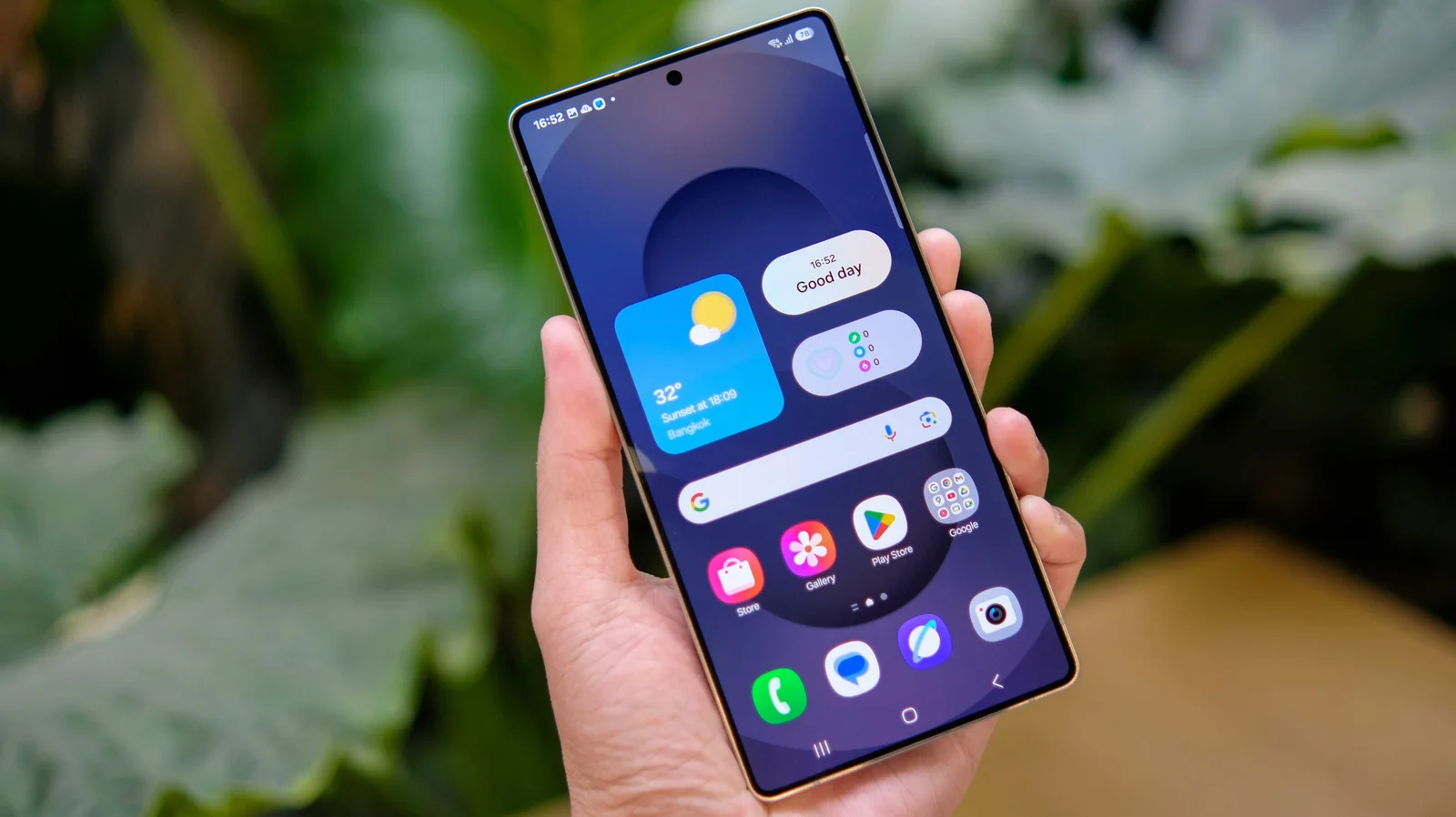
Android was smoother in this comparison. The OnePlus and Samsung phones felt more responsive than the iPhones, though battery-saver behavior varies by manufacturer. Some phones may also turn off haptics, removing the small vibrations that provide feedback while typing or using interface controls.
How Low Power Mode works on iPhone
Background limits can leave you waiting
Battery saving restricts background activity, which can delay some app updates and notifications. On iPhone, the built-in Mail app appeared particularly affected. Background uploads and downloads may also stall, so services such as Google Drive and Google Photos might not sync promptly. Apple says Low Power Mode pauses iCloud Photos, leaving new pictures and videos without a cloud backup until the mode is turned off.
There’s a performance wrinkle here, too: social apps such as Instagram and TikTok may take longer to load fresh content when opened. On the author’s OnePlus, OxygenOS already managed background apps aggressively, and Battery Saver led to missed notifications throughout the day, including WhatsApp messages. That’s a serious trade if you depend on timely alerts.
How background apps affect battery use
Screen and connection features may disappear
Both iOS and Android can lower maximum screen brightness and shorten the screen timeout, often to 30 seconds. The change may be subtle indoors but becomes more noticeable outside, and frequent screen taps can interrupt reading. Battery Saver also commonly disables always-on displays on iPhones and Android phones, since those displays consume power.
iPhone Low Power Mode generally turns off 5G, bringing it back for tasks such as large downloads or video streaming. Restricted background activity can also interfere with apps that use location services, including live location sharing. If you’ve wondered why an always-on display or location feature isn’t behaving as expected, the battery setting may be responsible.
Why always-on displays use battery
The extra runtime may be modest
The case for leaving the mode on rests on getting more time between charges. Yet the author saw no substantial improvement on an iPhone 18 Pro, despite its ProMotion screen dropping to a lower refresh rate. The phone used roughly the same amount of charge, with choppier animations as the trade-off.
PhoneBuff’s battery-drain test found only a negligible difference between two iPhones, one running Low Power Mode and one without it. Both were iPhone 12 models with 60Hz screens, so the test couldn’t capture savings from reducing a higher refresh rate. The available results don’t prove the mode never helps; they do suggest that gains may be limited during active use, when the display stays on and you keep using apps.
Save it for when the charge is low
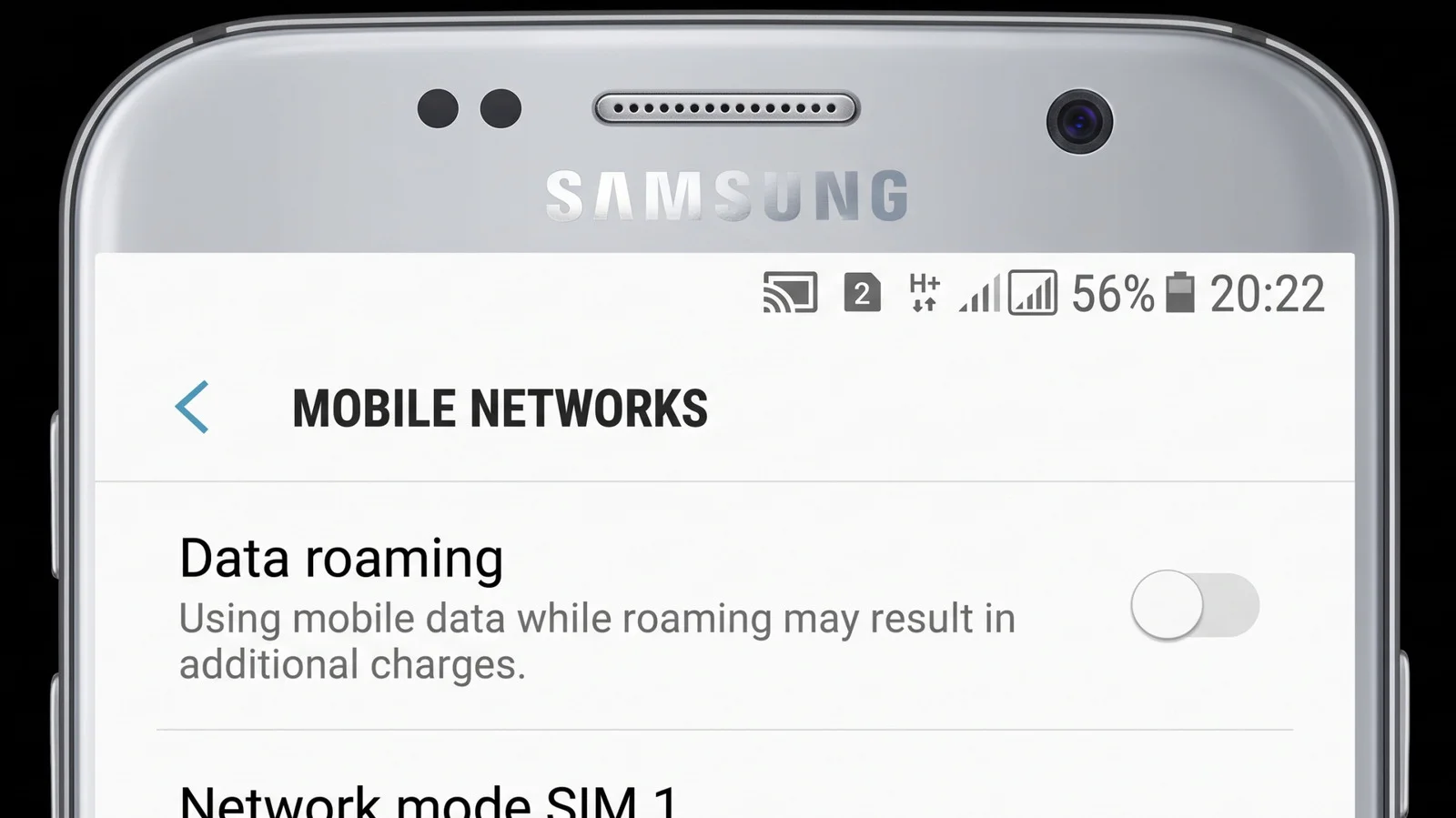
Battery Saver makes the most sense when you’re down to the last 10% or 20%, or when the phone is idle and reduced background activity can help. If 5G is the main drain, iPhone users can go to Settings > Cellular Service > Mobile Data Options > Voice & Data and choose “5G Auto” or “4G”; turning off “5G Standalone” can also limit unnecessary 5G use. Android phones generally offer a preferred network type setting as well.
For other savings, consider turning off the always-on display, switching to dark mode, and reviewing which apps can use background data. Those targeted adjustments may preserve more of the features you actually use.
Discussion
Sign in to join the discussion.