Recent research uncovers that microplastics interact chemically in the human body, raising serious concerns for health and food supply chains.
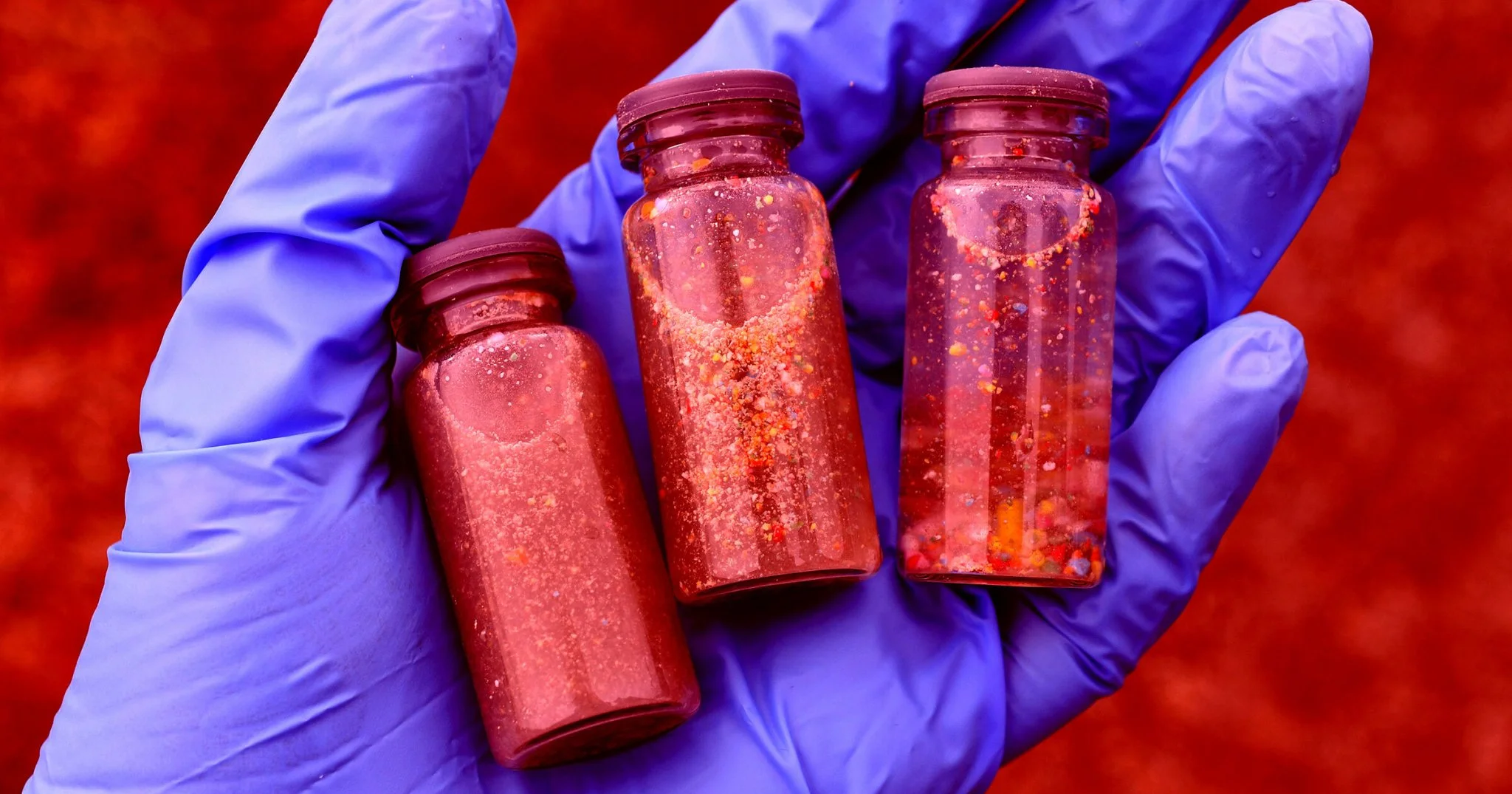
Rethinking Plastic's Harmless Image
Recent research challenges the long-held notion that plastic is inert and harmless. A study published in Nature investigates how micro and nanoplastics engage with water-rich environments, such as the human body. The findings reveal that consumer-grade microplastics exhibit “intrinsic physicochemical activity.” This implies these materials aren’t just passive byproducts of our consumption; they undergo chemical reactions within us, directly contradicting previous assumptions.
The Science Behind Microplastics
According to Wei Min, a professor of chemistry and biomedical engineering at Columbia University and co-author of the study, as plastic fragments become smaller, their surface area expands significantly. This increase in surface area can lead to major chemical transformations. “Then microplastics change the water that surrounds them, generating high-energy, reactive radicals… that very likely contribute to biological damage that we see in animals and potentially in humans as a result of microplastic exposure,” he stated in a press release. This could suggest that we’re not merely consuming plastic; we’re consuming a chemical cocktail that can interact harmfully with our biological systems.
The Alarming Scale of Microplastic Exposure
This study adds to alarming findings from earlier research indicating that a single liter of bottled water can contain over 240,000 microplastic particles. This exposure can often go unnoticed but suggests that these tiny fragments can cause more chemical harm than previously recognized. The hidden nature of microplastics makes them even more insidious as they infiltrate our daily lives, and this data points to a widespread public health concern.
Implications for Food Supply and Environmental Health
Beizhan Yan, a co-author of the research, pointed out the significant implications for human and environmental health, particularly within our food supply chains. In the U.S., plastics are deeply woven into the fabric of the food industry. They’re heavily involved in industrial agriculture, prevalent in food processing, and widely used in food distribution. Plastics are employed for purposes like preserving perishable goods and packaging. The intersection of microplastics and our food supply is alarming; the materials are not just present in packaging but might also leach into food products themselves.
The scale of plastic packaging alone is staggering, making up around 40 percent of global plastic production. For the everyday consumer, avoiding microplastics through dietary changes is almost impossible. Even those opting for premium goods packaged in glass or tin lack control over plastic exposure during production. This connection between food systems and plastic pollution illustrates a troubling scenario where consumers are trapped in a cycle of exposure, often unaware of the risks involved.
The Broader Environmental Context
If you're working in this space, the fact that microplastics are so pervasive raises important questions about waste management and environmental health. While many individuals strive to reduce their plastic footprint, the presence of microplastics underscores a systemic issue that transcends individual behavior. These particles are typically not addressed adequately in current waste management practices, which focus on larger plastics without accounting for their breakdown products. This oversight could be jeopardizing ecological balances, leading to adverse effects on wildlife and, by extension, human health.
Urgency for Change and Future Outlook
With an increasing body of evidence pointing to the dire impacts of microplastics on human health, it’s clear our collective well-being hinges on urgently breaking this entrenched reliance on plastics. The obstacles are significant: industries rely heavily on plastics for packaging and preservation, and regulatory measures lag behind scientific understanding. Pressures may mount to develop alternative materials, but doing so won’t be simple. This is the part most people overlook: creating sustainable substitutes that perform as well as plastics in all their versatile applications is a monumental challenge. Manufacturers, policymakers, and consumers alike must prioritize solutions that minimize plastic use without sacrificing functionality.
The ramifications of this research may influence everything from health guidelines to industry regulations. As the conversation evolves, it will be essential to address how we can reform food packaging practices, bolster consumer awareness, and implement effective waste management strategies. The stakes couldn't be higher.
More on plastics: Scientists Turn Plastic Waste Into Edible Cookies Because That’s the Future We Deserve



Discussion
Sign in to join the discussion.