ESA’s FLEX mission uses advanced technology to map plant fluorescence, offering insights into vegetation health and climate impact.
Understanding Plant Fluorescence
While plants might seem unchanging, they continuously adapt to their surroundings. During photosynthesis, they emit a faint fluorescence, an invisible light signal that can provide critical insights into their health and vitality. This phenomenon occurs when chlorophyll, the green pigment essential for photosynthesis, absorbs sunlight and then re-emits a portion of that energy as a lower energy photon. Although this fluorescence is not visible to the naked eye, it can be detected with the right instrumentation. It serves as a biological indicator of photosynthetic activity, energy efficiency, and stress levels in plants.
This subtle glow varies dramatically based on several factors, including the type of plant, environmental conditions, and physiological status. For instance, under stress—such as drought or disease—plants often show altered fluorescence profiles. Thus, understanding fluorescence is vital for agricultural practices, ecosystem monitoring, and climate science, as it offers a non-invasive way to assess plant health over broad areas.
The FLEX Mission's Role
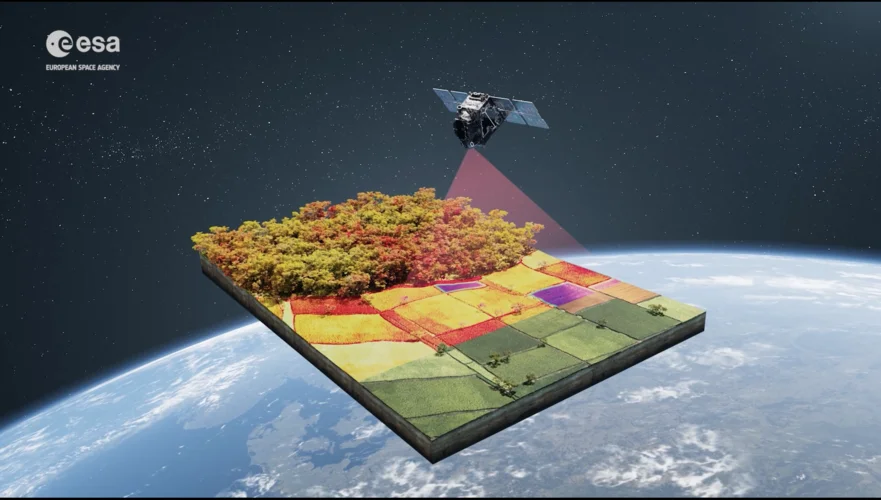
The European Space Agency's Fluorescence Explorer (FLEX) is set to capture this faint glow from space. Equipped with the sensitive FLORIS instrument, FLEX aims to map fluorescence globally, offering a novel approach to assessing plant vitality and photosynthetic efficiency. This satellite mission is particularly timely, as it comes amid increasing concerns about food security, biodiversity loss, and climate change. By monitoring plant fluorescence at a global scale, FLEX has the potential to change how scientists and policymakers understand and manage agricultural and natural ecosystems.
The data collected by FLEX will help researchers analyze not just how individual plants react to their environments, but also how entire ecosystems respond collectively. Understanding these interactions can provide crucial insights into broader ecological outcomes. For example, by assessing how different vegetation types respond to stressors, such as prolonged droughts, we can better predict the resilience of various ecosystems.
Moreover, the use of the FLORIS instrument ensures that the data collected will be sensitive and accurate. FLORIS is designed to measure variations in fluorescence with remarkable precision, enabling it to detect subtle changes that may indicate underlying stress before visible signs appear. This capability could revolutionize the way farmers manage crops and the way conservationists monitor habitats.
Implications for Climate Study
This data will deepen our understanding of how ecological systems respond to climatic shifts, such as droughts, and enhance our grasp of global water and carbon balances. By mapping fluorescence across different ecosystems, FLEX could provide invaluable insight into the overall health of our planet's vegetation. This, in turn, has implications for carbon sequestration efforts, which are critical in combating climate change.
Moreover, managing water resources is increasingly pressing as global temperatures rise and weather patterns become more unpredictable. The insights gained from the fluorescence data can inform irrigation practices, helping to optimize water usage in agriculture—a sector responsible for a significant portion of freshwater consumption. Enhanced understanding of photosynthetic efficiency can lead to the development of more sustainable agricultural practices that balance productivity with environmental conservation.
(and this is the part most people overlook) The implications of FLEX’s findings go beyond academic interest; they could inform policies at multiple levels, from local agricultural practices to international climate agreements. As countries grapple with the effects of climate change, precise data on how plant communities respond to various stressors could be the linchpin for effective environmental management strategies.
Future Outlook
This mission is more significant than it looks. While the FLEX mission is still in its early phases, the potential applications of its findings are vast. As global challenges surrounding climate and food security intensify, the ability to monitor plant health and stress remotely will likely become an invaluable asset for researchers, farmers, and policymakers alike. The integration of FLEX data with other satellite observations could lead to a multidimensional understanding of Earth’s systems.
For those working in environmental science or agriculture, this means access to timely, actionable insights that can guide decisions in the face of environmental challenges. The information gleaned from FLEX could pave the way for innovations in precision agriculture, which rely heavily on data to optimize yields while minimizing resource use. Farmers might one day use this data not just to monitor their crops but also to adjust practices in real-time based on impacts from environmental changes.
Ultimately, the success of the FLEX mission depends on collaboration across disciplines. Ecologists, agronomists, and climate scientists will need to work together to interpret the data, understand its implications, and implement strategies that address the pressing environmental issues we face today. The stakes are high, and the potential to make a lasting impact on global biodiversity and food security hangs in the balance.
Every leaf holds vital information. The FLEX mission is teaching us to decode those environmental messages.



Discussion
Sign in to join the discussion.